
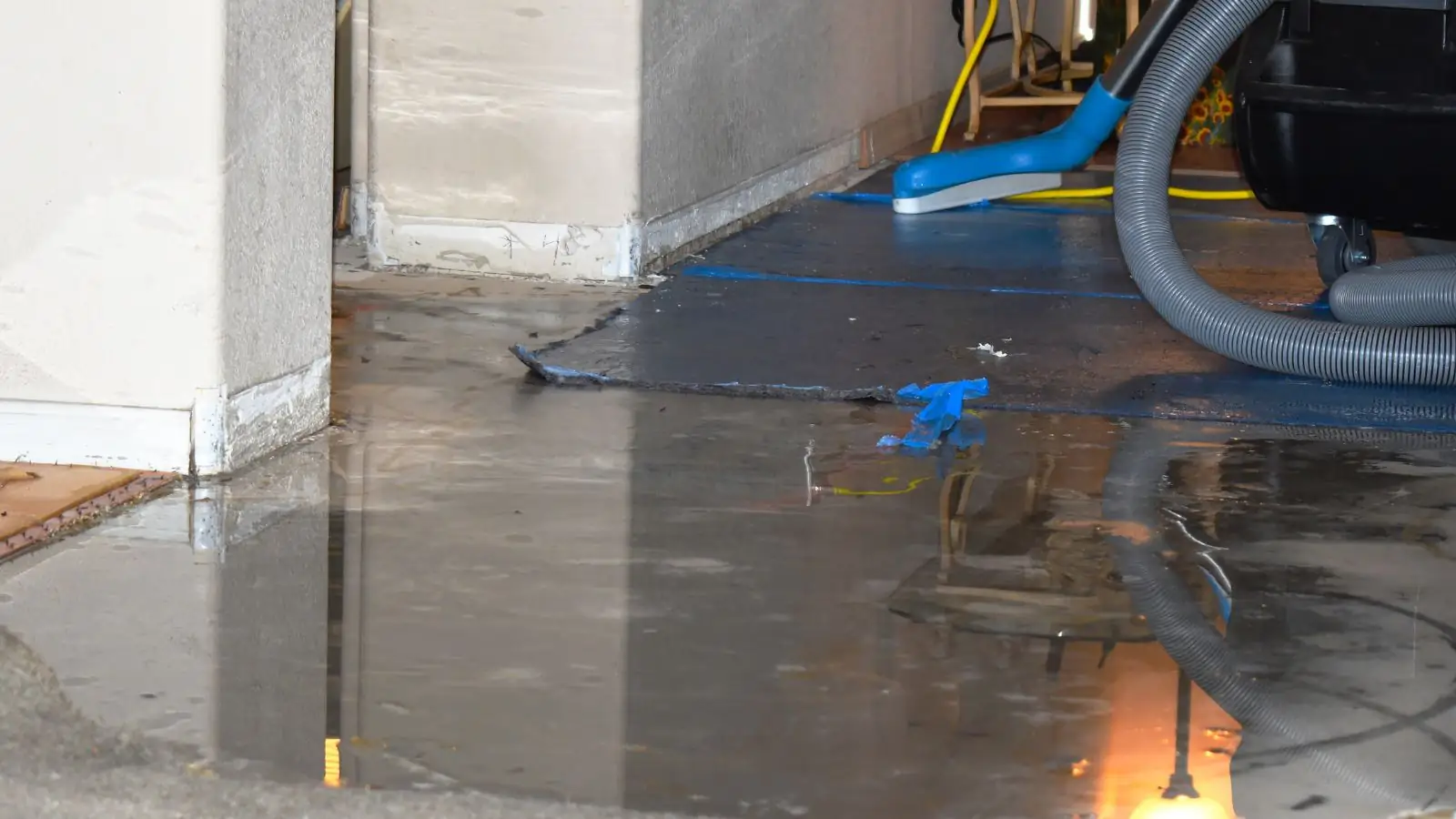
Start with safety, then with the water
.The first step in any water damage claim is not on a form. It is stopping the source, keeping people safe and limiting further damage. Close the main valve, keep out of rooms near live electricity, and move valuables to dry places. Your policy generally expects you to take reasonable steps to prevent more loss.
Once the house is safe, photograph and video every wet area before anything is moved. Do this from the doorway first, then close up. The time stamps on your photos matter.
The claim sequence
.Order matters more than speed on the paperwork.
Stop and document
.Shut off the water, take photos, and note the time you found the damage.
. Call your insurer
.Report the loss, ask for a claim number and ask what they need.
. Call the cleanup crew
.Emergency extraction and drying can start before the adjuster arrives.
. Keep records
.Save invoices, drying logs, photos, receipts and the plumber's report.
.
Ask your insurer in writing whether it wants a particular form for the scope of work or a particular type of record.
Need emergency cleanup first?
.Call the line. Crews start with extraction and keep the records insurers ask for.
What an adjuster will want to see
.An adjuster usually wants to see the damaged area, the source of the water and the timeline. That means the failed pipe or appliance if you still have it, the moisture readings from the cleanup crew and a list of damaged contents with ages and approximate values.
Crews keep drying logs as a normal part of the job. Ask to have them in writing. See structural drying and dehumidification for how readings are recorded.
A simple record-keeping checklist
.Keep these together in one folder or one email thread.
| Record | .Why it helps | .Where it comes from | .
|---|---|---|
| Photos and video with date stamps | Shows the condition before cleanup | You. |
| Claim number and adjuster contact | Keeps follow-ups organized | Insurer. |
| Cleanup scope and invoice | Supports the repair amount | Restoration crew. |
| Plumber's report | Shows the cause | Plumber. |
| Contents list | Supports personal property claims | You. |
Common mistakes that slow claims
.Throwing away the failed part, such as a burst hose, can leave the cause unproven. Tearing out materials before photographing them removes evidence. Waiting for days before drying lets the damage grow, which can reduce what the policy pays for gradual damage.
Another mistake is signing a work order or assignment of benefits before you understand it. Read anything you sign and ask your insurer what it needs. Scope and price should be explained before work starts.
Start with mitigation, not paperwork
.Policies expect you to take reasonable steps to stop further damage, and the California Department of Insurance guide says so directly. That means shutting off the water, removing standing water and starting drying before you finish the paperwork. Delay lets damage spread and makes the claim harder to explain.
Keep every receipt for emergency work, including tarps, board-up and equipment. Many policies reimburse reasonable mitigation costs, and the receipts show what you did and when.
Working through the claim in order
.A simple sequence that avoids most mistakes.
Stop the source
.Shut off the water and call a plumber if a line failed.
. Document
.Photograph and film the source and damage before anything is moved.
. Call the insurer
.Report the loss and ask for the claim number and next steps.
. Start drying
.Call a restoration crew so mitigation begins right away.
. Meet the adjuster
.Share photos, readings and the scope of work.
.
Keep a log of every call with the date, the name and what was said.
Meeting the adjuster
.An adjuster reviews the loss and estimates what the policy owes. Bring your photos, the restoration scope and the moisture log. If the adjuster misses a damaged area, point to the readings or photos that show it.
Ask for the estimate in writing, and ask what the policy will pay for each item. If a figure looks low, ask what it is based on. Many disagreements come down to a missing line item, not a bad-faith denial.
Contents, supplements and disagreements
.Contents claims need an inventory. List each item with its age, where you bought it and what it cost. Photos taken before the loss help. Hidden damage found when walls are opened can lead to a supplement, which is a request to add to the original estimate.
If you disagree with a decision, ask for the reasons in writing, then contact the California Department of Insurance consumer hotline at 800-927-4357. Keep the tone factual and keep copies of everything you send.
Mistakes that slow claims down
.Avoid these.
- Throwing away damaged items before photographing them. .
- Waiting days to start drying. .
- Signing paperwork you have not read. .
- Agreeing to a scope that leaves out wet materials. .
- Forgetting to keep receipts. .
Tips for a smoother claim
.Keep a single folder, paper or digital, for the claim. Label photos with the room and date. Ask the adjuster to confirm the visit time, and be present if you can. Respond to requests quickly, since delays slow payment.
After the claim is paid
.Keep all records for a few years. If a payment arrives, confirm that it matches the estimate. If hidden damage appears later, tell the insurer promptly with photos and readings. Finish repairs with a contractor who gives a written scope, and keep the final invoices.
How the work is measured
.The ANSI/IICRC S500 standard is the recognized reference for water damage restoration. Its core idea is simple: a structure is dry when readings say so, not when it feels dry. Ask for the drying log before you sign off on a job.
What to know in Wasco
.Wasco homeowners can check permit rules on the City of Wasco building permit portal, and the California Department of Insurance publishes a residential property claims guide and a consumer hotline at 800-927-4357. If a loss involves rebuilding after a flood or major damage, ask the city building department what permits are needed.
The guide also notes that homeowners policies generally do not cover flood but do cover other water damage, so the cause of your loss is the first thing to establish.
The same dispatch line covers the farm towns around Wasco. Homeowners west of town can read about Lost Hills water damage restoration, and those to the northeast can read about McFarland water damage restoration.
Prompt mitigation is the part of a claim you control. For what crews do first, see emergency water extraction and structural drying and dehumidification.
Questions Wasco homeowners ask
.As soon as you can. Your policy may set a notice requirement, so read it or ask your insurer. Take emergency steps right away.
Often when the loss is covered, but your policy decides. Keep the invoice and the scope.
Usually you can, though your policy may have terms. Ask your insurer.
Ask for the reason in writing and check your policy. The California Department of Insurance has a consumer hotline at 800-927-4357.