
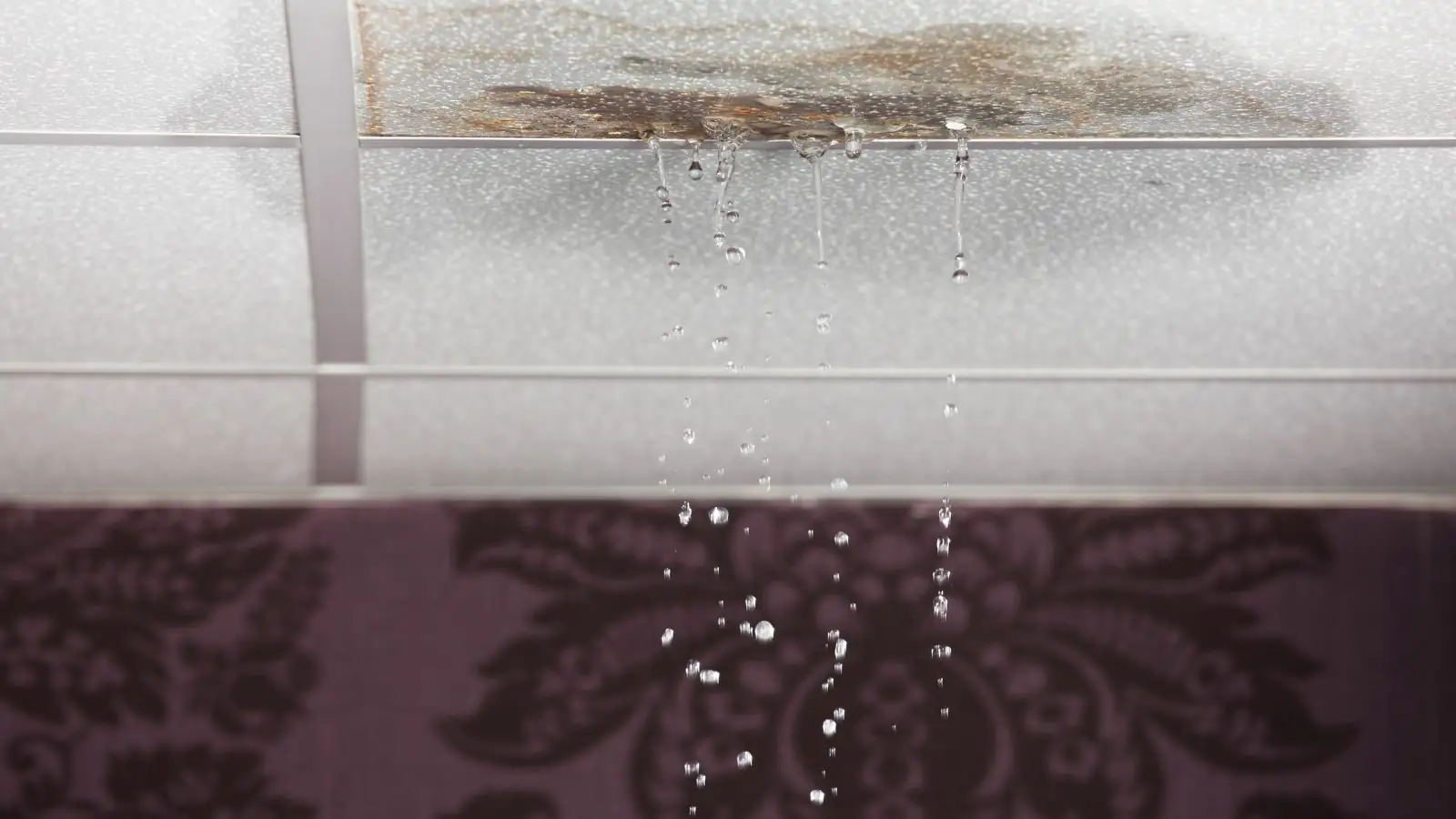
Commercial water damage is a business problem first
.Commercial water damage restoration is the cleanup and drying of a business property after a leak, flood or pipe failure. The cost is measured partly in repairs and partly in days the doors stay closed. This is an emergency service, and the 24/7 line is open at night, on weekends and on holidays.
If water is spreading, shut off the main water valve or the building's riser if you can reach it safely, cut power to wet areas only if it is safe, and call the 24/7 line. Then call your landlord or property manager if you do not own the building. Same-day response is the goal when crews are available.
Types of commercial buildings and their water risks
.Each type loses water in its own way.
Shops and restaurants
.Kitchen supply lines, grease traps and drains, and storefronts with wet inventory.
Offices
.Ceiling leaks over desks and servers, and wet carpet tile.
Warehouses
.Roof leaks over stored goods and slab-level flooding.
Multi-unit buildings
.Water that moves from one unit to the next through ceilings and walls.
Business water loss
.Call the 24/7 line so drying can start before opening hours.
How a business loss is handled
.Stabilize
.Stop the source, protect electrical equipment and move inventory off the floor.
. Extract and open
.Water is removed and wet ceiling tiles, carpet tile and insulation are pulled.
. Dry and document
.Dehumidifiers and air movers run with logged readings and photos.
. Restore
.Ceilings, flooring and walls are repaired in phases to keep part of the building open if possible.
.
Owner or tenant: who handles what
.Leases differ, so check yours.
| Item | .Often handled by | .Note | .
|---|---|---|
| Building structure and roof | Landlord and building insurer | Tell the property manager immediately. |
| Tenant improvements | Tenant insurance | Depends on lease and policy. |
| Inventory and contents | Business owner's policy | Photograph before moving. |
| Business interruption | Policy dependent | Ask the insurer about coverage terms. |
Documentation that insurers want
.A commercial claim needs paper. Moisture readings, drying logs, photos with dates, a written scope and an itemized list of damaged contents give your adjuster something to work with. Crews keep these records from the first visit.
For residential comparison, see water extraction, and for contaminated water in a business, see sewage backup cleanup.
The first hour in a commercial building
.These steps protect people and the business while the crew is on the way.
- Know where the main water shutoff and the electrical panel are, and make sure staff know too. .
- Move electronics, files and inventory off the floor and away from ceiling drips. .
- Keep customers and staff out of wet areas, and put out signs for slip hazards. .
- Photograph the damage and write down the time you first noticed it. .
- Notify the landlord or property manager and your insurance agent. .
Keeping a business open during drying
.A full shutdown is not always necessary. Crews can often isolate the wet area with plastic sheeting, run equipment in the damaged space and leave the rest of the building usable. A dry office wing can keep operating while the warehouse corner is dried.
Noise from air movers and dehumidifiers is real, so the schedule should be agreed in advance. Phased work also keeps the insurance documentation clear.
What drives the cost of a commercial restoration
.Scope and price are explained before work starts.
- Square footageArea wet and the number of rooms or units. .
- Water categoryClean, gray or sewage water. .
- MaterialsCarpet tile, drywall, acoustic ceiling and slab. .
- PhasingWorking after hours or in stages adds coordination. .
- Equipment daysDrying machines and monitoring visits. .
Commercial policies vary widely. Check what yours says about water damage, business interruption and contents. Want your real number? Call (844) 950-6900.
Industry standard to ask about
.Professional water damage work is guided by the ANSI/IICRC S500 standard, which ties the plan to the category of water and the materials involved. A company that follows it can show you moisture readings from the first day and again when the structure is dry.
Safety steps before the crew arrives
.Protect people first, then property.
- Keep staff and customers out of wet areas and away from electrical equipment. .
- Shut off power to wet areas at the panel only if you can reach it dry. .
- Put out wet-floor signs. .
- Shut off the water at the main valve. .
- Photograph conditions and note the time you first saw water. .
Commercial water loss around Wasco
.Wasco is at the junction of State Routes 43 and 46 in Kern County, and the businesses along those roads include retail, offices, warehouses and agricultural facilities. Buildings with flat or low-slope roofs are where winter rain from December through March can pool and find a way in.
After any heavy rain, check ceiling tiles and roof drains. Ask your building department about any permit questions for larger repairs.
Commercial Water Damage questions in Wasco
.Yes. The dispatch line is open 24/7. Call, stabilize the building if it is safe, and the crew is routed to your address. There is no promised arrival time.
Often yes. Work can be phased or scheduled after hours to reduce downtime.
Yes. The scope includes the units that were reached by the water, and documentation per unit helps with claims.
Only if your policy includes it. Ask your insurer.