
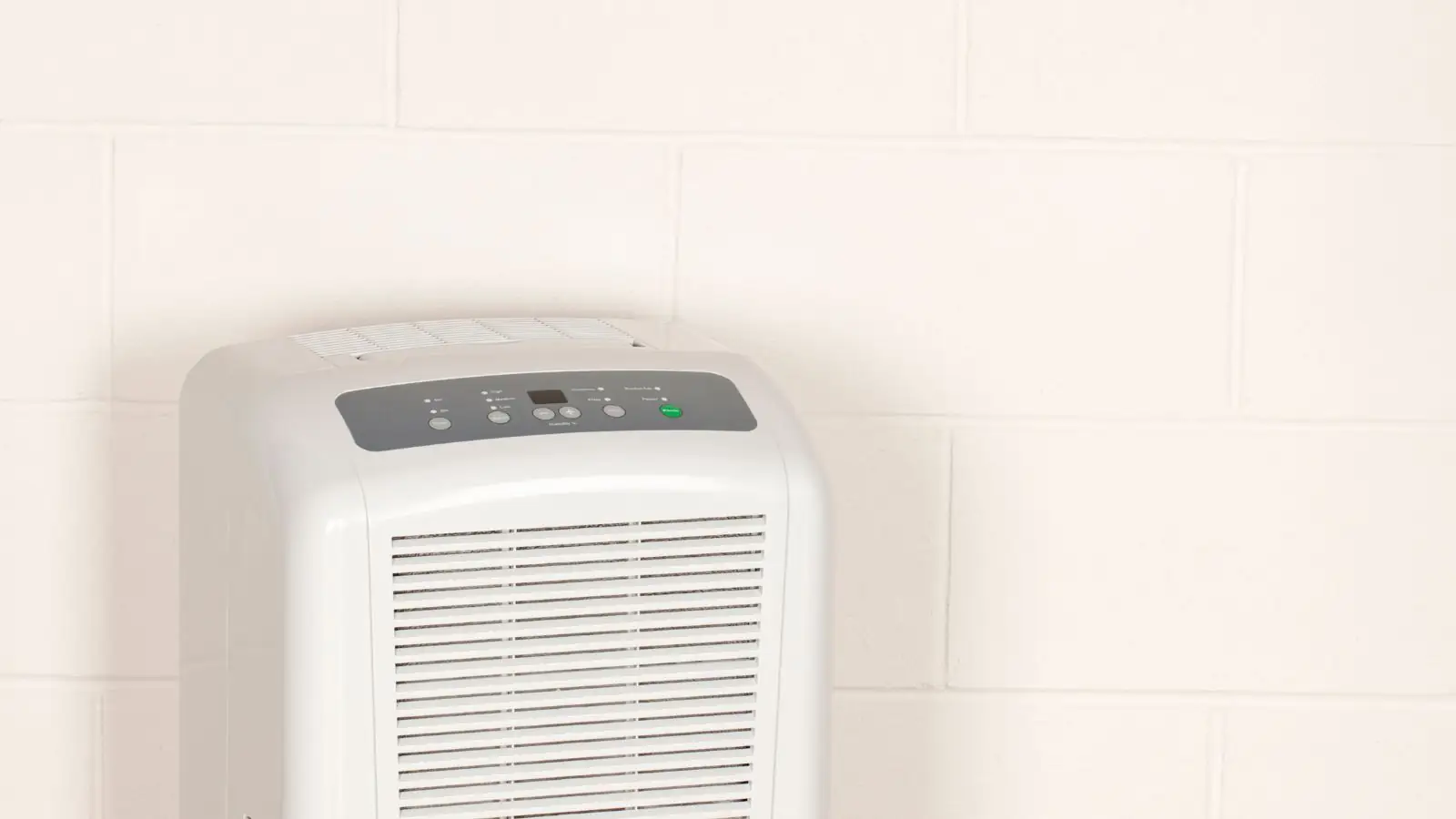
Wet walls and floors that never seem to dry on their own?
.Searches for this usually sound like damp drywall after a leak, a floor that stays cold and wet, a musty smell that will not go away or a carpet that dried on top and stayed wet below. The surface feels dry, and the framing and subfloor are not.
The trade name for the fix is structural drying and dehumidification. It is the process of pulling moisture out of the building materials themselves, and it is what happens after the standing water is gone.
What water mitigation means
.Water mitigation is the work done to stop water damage from getting worse. It includes stopping the source, extracting water, removing what cannot be saved and drying the structure. Structural drying is the longest part of it, and it is where the most mistakes happen when it is skipped or cut short.
Wasco has dry summers, and many people assume open windows and a fan will do the job. Dry outdoor air does not pull moisture out of a wall cavity or a subfloor fast enough, and trapped moisture is how mold gets a start. Professional drying uses controlled equipment and logged readings.
Wet structure, mold clock running
.Call the 24/7 line. Drying should start as soon as the water is out.
The equipment and what each piece does
.A drying setup is sized to the loss, not stuffed with every machine.
LGR dehumidifiers
.Low grain refrigerant units pull moisture from the air so wet materials keep releasing water.
Air movers
.Axial and centrifugal units move air across wet surfaces and into wall cavities.
Moisture meters
.Pin and pinless meters read how wet wood, drywall and concrete are.
Thermal imaging camera
.Shows temperature differences that point to wet areas behind finishes.
How a drying job is run
.The sequence is the same across materials, with different timelines.
Map the moisture
.Readings are taken across walls, floors and ceilings and recorded as the baseline.
. Set equipment
.Air movers and dehumidifiers are placed to move air across wet areas and out of cavities.
. Check daily
.Moisture readings and the humidity in the room are logged each visit.
. Confirm the dry goal
.Equipment comes off only when materials reach their dry standard.
.
What drying usually involves, by material
.These are rough guides. Readings decide.
| Material | .How it dries | .Typical approach | .
|---|---|---|
| Drywall | Absorbs quickly, dries slowly in the cavity | Dry in place if clean water and caught early, otherwise flood cut. See wall and drywall repair. |
| Hardwood | Cups as it swells, slow to release | Floor drying systems and dehumidifiers. See hardwood floor repair. |
| Carpet and pad | Pad holds water | Extract and dry, or remove the pad. See carpet water damage. |
| Concrete slab | Dries slowly from the surface | Long dehumidification runs and readings before flooring goes back. |
What drives the cost of drying
.Scope and price are explained before work starts.
- Area wetSquare footage and number of rooms. .
- MaterialsSlab and hardwood dry slower than carpet. .
- Equipment daysHow many machines and for how long. .
- Water categoryContaminated water means removal, not drying in place. .
- MonitoringNumber of visits for readings. .
Insurers often want drying logs, readings and photos, and a documented drying record helps support a claim. Check your policy and ask your insurer. Want your real number? Call (844) 950-6900.
Why we log readings
.ANSI/IICRC S500 is the published standard for professional water damage restoration, and it calls for monitoring drying so that equipment comes off when materials reach their dry standard. Ask any company whether its crews follow it and whether you will get a drying log. The log is the proof the structure is dry before walls are closed up or floors are laid.
What to do while drying equipment runs
.Simple rules help the equipment work.
- Keep doors and windows closed in the drying area. .
- Do not turn off or move the equipment. .
- Keep children and pets away from cords and hot exhaust. .
- Leave cabinets and closets open if the crew asks. .
- Call the crew if you smell burning or see a breaker trip. .
Structural Drying questions in Wasco
.Yes. The dispatch line is open 24 hours a day. Call as soon as the standing water is gone or the leak is stopped. There is no promised arrival time, but drying should start the same day when crews are available.
Often several days, depending on the materials and how deep the moisture went. Concrete and hardwood take longer than drywall.
Fans move air but do not remove much moisture from the air in the house. Dehumidifiers do, and without them moisture can settle back into wood and drywall.
Moisture readings compared with a dry reference. Ask for the readings in writing.