
The question behind the question
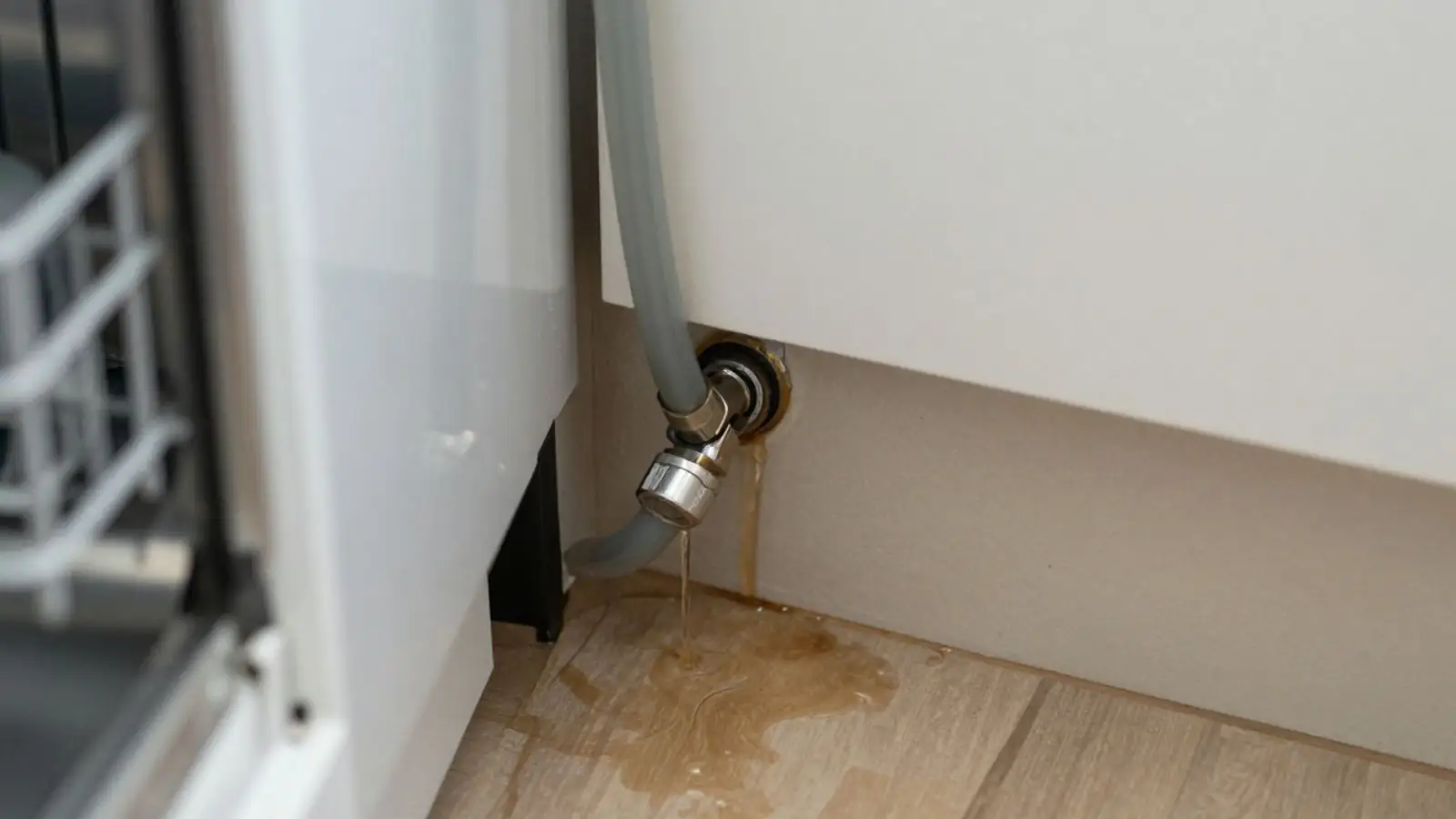
.A small leak makes homeowners ask whether filing is worth it. The deductible may be larger than the repair, and some people worry that a claim could affect their coverage later. Others find that a small leak was the visible part of something larger.
This guide does not tell you what to do. It lays out the factors, so you can decide with your policy in hand and, if you want, your agent on the phone.
The factors on each side
.Neither column is automatic.
| Points toward paying yourself | .Points toward filing | .
|---|---|
| Repair cost is below or near your deductible | Damage is larger than it first looks. |
| You caught it in hours and the area is dry | Water reached walls, ceilings or several rooms. |
| No hidden damage suspected | Moisture readings show wet framing. |
| Cause is simple and fixed | Cause is unclear or the leak may recur. |
Leak spreading now?
.Call. Drying is time sensitive, and the filing decision can follow.
Find out the size before you decide
.Surface wetness hides what is inside. A damp patch on a floor can mean wet subfloor, and a small stain on a wall can mean a wet cavity. A moisture meter and a thermal camera answer the question in minutes, and a restoration crew can do that check.
Once you know the area and the materials involved, you can compare the likely cost with your deductible. See structural drying and dehumidification for how the extent of moisture is measured.
Your deductible and your history
.Your deductible is in your policy. Some policies have a separate, sometimes higher deductible for certain perils. Ask your agent whether an inquiry about a claim is recorded, and whether a claim you file and then withdraw is treated differently from one you never opened. Policies and insurers differ, so ask directly.
The California Department of Insurance publishes a residential property claims guide that explains how claims work, and it runs a consumer hotline at 800-927-4357.
If you decide not to file
.Protect yourself either way.
- Document the leak, the repair and the invoice, in case the damage turns out to be larger. .
- Dry the area fully, and verify with readings. Do not rely on touch. .
- Fix the source properly, ideally with a plumber's invoice. .
- Check the area again in a week and a month for stains and smells. .
- Keep the records for the time you sell the house. .
The cost of waiting
.The risk with a small leak is that it does not stay small. Moisture trapped in a wall can lead to rot and mold, and that damage is often excluded as long-term seepage. Waiting also makes drying harder. See appliance leak water damage for the common slow-leak sources.
If you have any doubt about how far the water went, have it checked before you decide.
Do the deductible math
.Start with the cost of the repair and drying. If it is close to your deductible, the policy may pay little or nothing, and a claim still goes on record. Get a written scope and price before you decide so you are comparing real numbers.
Ask your agent how claims affect renewal in your policy. The answer differs by insurer and by the type of claim.
Mitigate first either way
.Whether or not you file, dry the area. A small leak that is dried within a day or two rarely turns into a big loss. A small leak left wet can turn into mold, damaged flooring and a much larger bill.
If you plan to skip a claim, keep the photos, invoices and readings anyway. If damage appears later, the records show when and how it began.
Questions for your agent before filing
.Call with your policy in hand.
- What is my deductible for water losses? .
- Does a claim for this loss affect my renewal? .
- Can I report the loss without filing a claim? .
- What deadline applies? .
- What would the policy exclude here? .
When to file anyway
.File if damage is large, if the source is unknown, if a ceiling or wall is soaked, or if contents are ruined. Also file if sewage or contaminated water is involved. When in doubt, a conversation with your insurer costs nothing, and you can decide on a claim after you hear the options.
Small does not always mean cheap
.A leak that looks small on the surface can be large inside a wall or under a floor. Measure by moisture, not by the size of the stain. A meter or thermal camera shows how far the water traveled. If the wet area is bigger than it looks, the numbers change.
Ask a restoration crew for a moisture map before you decide. It shows what is wet and what is dry.
A simple way to decide
.Rules of thumb, not advice.
| Situation | .Leaning | .Why | .
|---|---|---|
| Repair near the deductible | Pay yourself | Little or no payout. |
| Repair far above the deductible | Consider a claim | Policy may pay. |
| Hidden damage or unknown source | Consider a claim | Costs can grow. |
| Sewage or contaminated water | Consider a claim | Higher cost. |
Talk to the insurer before you decide
.Reporting a loss and filing a claim are not always the same thing. Ask your agent how your insurer treats an inquiry. Keep your notes. If you do file, send the photos and scope you gathered.
Keep records even if you do not file
.Save photos, invoices and readings in a folder. If you later sell, file a claim for a related loss or find hidden damage, the record shows what happened and how it was handled. Written proof of a proper repair is a selling point.
How the work is measured
.The ANSI/IICRC S500 standard is the recognized reference for water damage restoration. Its core idea is simple: a structure is dry when readings say so, not when it feels dry. Ask for the drying log before you sign off on a job.
What to know in Wasco
.Wasco's dry summers mean a leak in July is nearly always a plumbing or cooling problem and not rain. For permit questions on larger repairs, the City of Wasco building department has a public permit portal. The California Department of Insurance consumer hotline is 800-927-4357 for questions about how claims work.
Crews that serve Wasco also work the nearby towns. If you live outside town, see water damage restoration in Delano or water damage restoration in McFarland for what to expect there.
Questions Wasco homeowners ask
.It can in some cases. Ask your agent how your insurer treats claims and inquiries.
You can usually still file, but notify your insurer promptly and keep your records.
Yes. It tells you whether the leak is small before you decide.
A plumber's repair and dry readings from a meter are the best confirmation.