
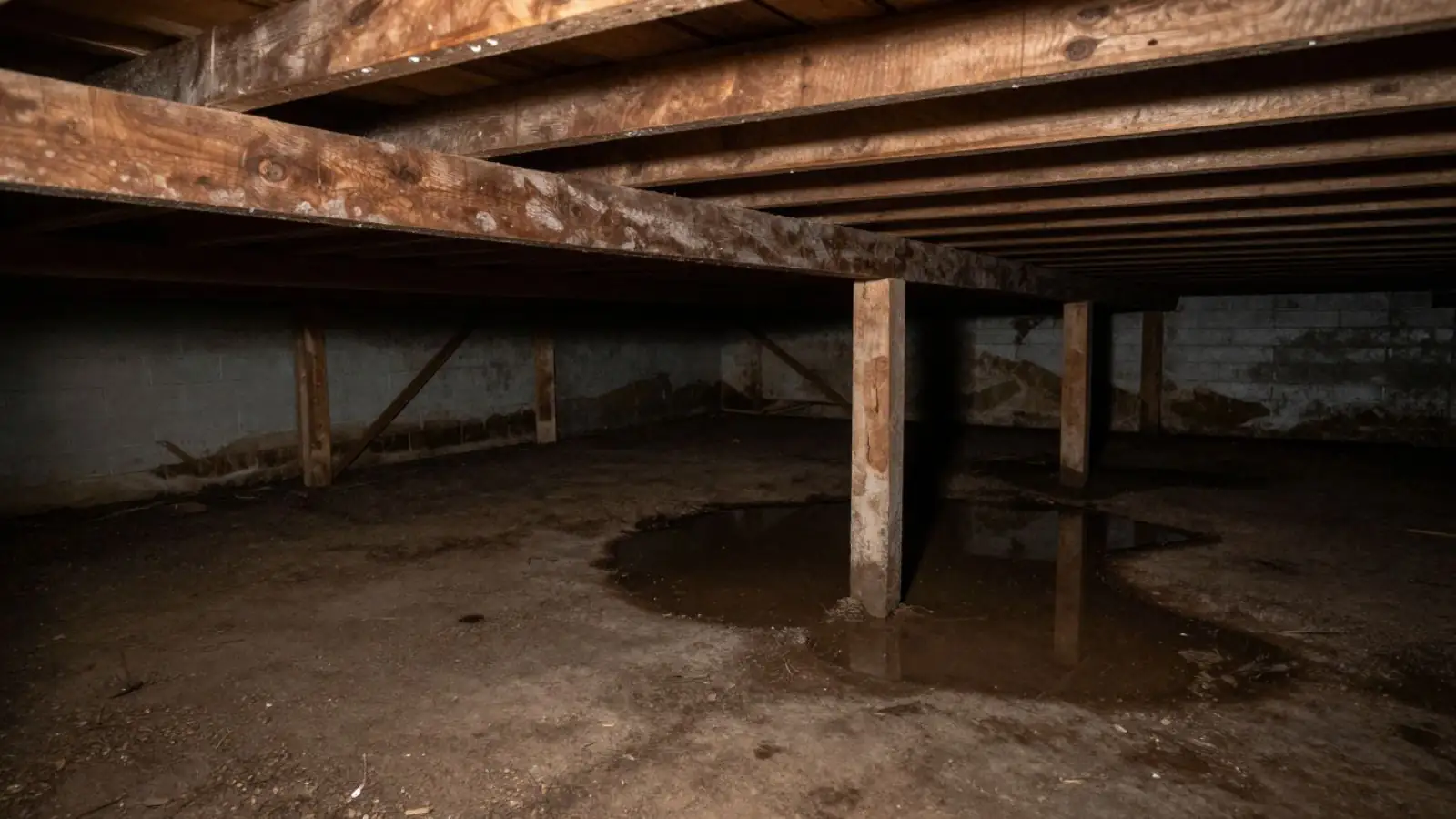
What clearance testing is
.Clearance testing is sampling done after mold remediation to check whether the work area meets the goal the project set. It usually includes a visual check that the area is clean and dry, and may include air or surface samples sent to a laboratory. The result is a written report.
It is different from a mold inspection, which looks for mold and moisture before work, and different from the remediation itself, which removes the mold. The ANSI/IICRC S520 standard for mold remediation is the published reference that remediation crews work to, and you can ask any company whether theirs do.
Inspection, remediation and clearance side by side
.Three steps with three different jobs.
| Step | .When | .Purpose | .
|---|---|---|
| Inspection | Before work | Find mold and the moisture that feeds it. |
| Remediation | During work | Contain, remove and clean. |
| Clearance testing | After work | Check the result against the project goal. |
Planning mold work?
.Ask early about documentation. Scope and price are explained before work starts.
Why a sale or a loan brings it up
.A buyer who learned of past mold may ask for proof that it was handled. A lender may ask for a clean report when the property has a known water issue. A landlord may want documentation before re-renting a unit. In each case the document is the thing that matters, not the story.
Ask your real estate agent or lender what they need before you hire anyone. Requirements vary, and getting the wrong document wastes time.
Independence matters
.A tester who is independent of the remediation company has no stake in the outcome. Many buyers and lenders prefer that. If the same company does the work and the testing, ask how the sampling is done and who reads the results.
Ask the tester what the samples are compared against, since there is no single pass number that applies everywhere. Typical comparisons include outdoor air samples taken at the same time and a normal indoor condition.
What to ask a tester
.Get the answers in writing.
- What samples will you take and where? .
- What is the comparison, such as outdoor air or an unaffected room? .
- How long until the report is ready? .
- What does the report say if the area does not pass? .
- Will you recommend further steps or re-testing? .
Moisture must be addressed first
.A clean test on a wet wall is a snapshot that can fail later. Drying and fixing the source come first. See structural drying and dehumidification for how readings confirm the structure is dry. Moisture readings from the drying log belong in the documentation you hand a buyer.
What to give the buyer or lender
.A useful package includes the before photos, the remediation scope, the clearance report, moisture readings and the plumber's repair invoice for the source. Keep digital copies.
Do not overstate the result. A report documents conditions on the day of testing. It does not promise that mold will never return.
What the visual check covers
.A clearance visit usually starts with a look at the work area. The tester checks that visible growth is gone, surfaces are clean and dry, containment has been removed and the moisture source is fixed. A clean-looking area that still reads wet on a meter should not clear.
Photographs are taken and noted in the report. These photos are useful to a buyer or lender.
Air samples and surface samples
.Air samples collect spores from a measured volume of air and are compared to an outdoor sample and sometimes to an unaffected room. Surface samples pick up growth from a specific spot. Each tells a different part of the story, and a tester may use one or both.
Results depend on conditions on the day, like whether a fan is running or doors were open. Ask the tester how conditions are controlled.
Timing
.Testing should happen after containment is removed and the area is cleaned and dry. Testing too early can give misleading results. If a sale has a closing date, plan the test early enough that a retest is possible if needed.
Reading the report
.Questions to ask the tester.
- What was sampled and where? .
- What is the comparison used? .
- Were any results elevated and what does that mean? .
- What is recommended next? .
- Is a retest needed? .
If the area does not clear
.A failed result is information, not a disaster. The crew may need to clean again, dry more or remove an overlooked material. See structural drying if moisture is the cause. Retest after the corrective work and keep both reports.
Choosing a tester
.Ask whether the tester is independent of any remediation company, what training they have and what laboratory they use. Ask to see a sample report. California does not license every part of mold work, so ask directly about qualifications and keep the answers in writing.
Compare quotes. Testing costs vary with the number of samples and the size of the home.
What documents to keep after a sale
.Keep the clearance report, the remediation scope, the invoices and the moisture logs for as long as you own the house, and share them if the buyer asks. If you are the buyer, ask for these documents and for any warranty offered by the remediation company. Records protect both sides.
Be honest in disclosures
.Sellers in California generally have disclosure duties about known problems. Ask your real estate agent or an attorney what applies to you. Do not use a clean test as a reason to hide history. A clear paper trail of what happened and how it was fixed usually builds buyer confidence.
One more practical point
.Plan the timeline backward from the closing date. Remediation, drying, rebuild, testing and report writing each take time, and a failed result needs a repeat. Starting early leaves room for the unexpected and avoids the pressure of a closing that cannot move. Tell the real estate agent about the plan so it is reflected in the transaction schedule.
What to know in Wasco
.Wasco's dry climate, about 6.8 inches of rain a year in NOAA normals, means past mold usually traces to a specific leak. Ask your real estate agent about disclosure rules in California, ask whether your state licenses mold work, and ask the City of Wasco building department about permits if walls were opened.
The same dispatch line covers the farm towns around Wasco. Homeowners west of town can read about Lost Hills water damage restoration, and those to the northeast can read about McFarland water damage restoration.
Questions Wasco homeowners ask
.No. It depends on the buyer, the lender and the history of the property.
That is negotiated. Ask your agent.
Remediation or drying may need more work. The report should say what to do.
No. It shows conditions on the test day.