
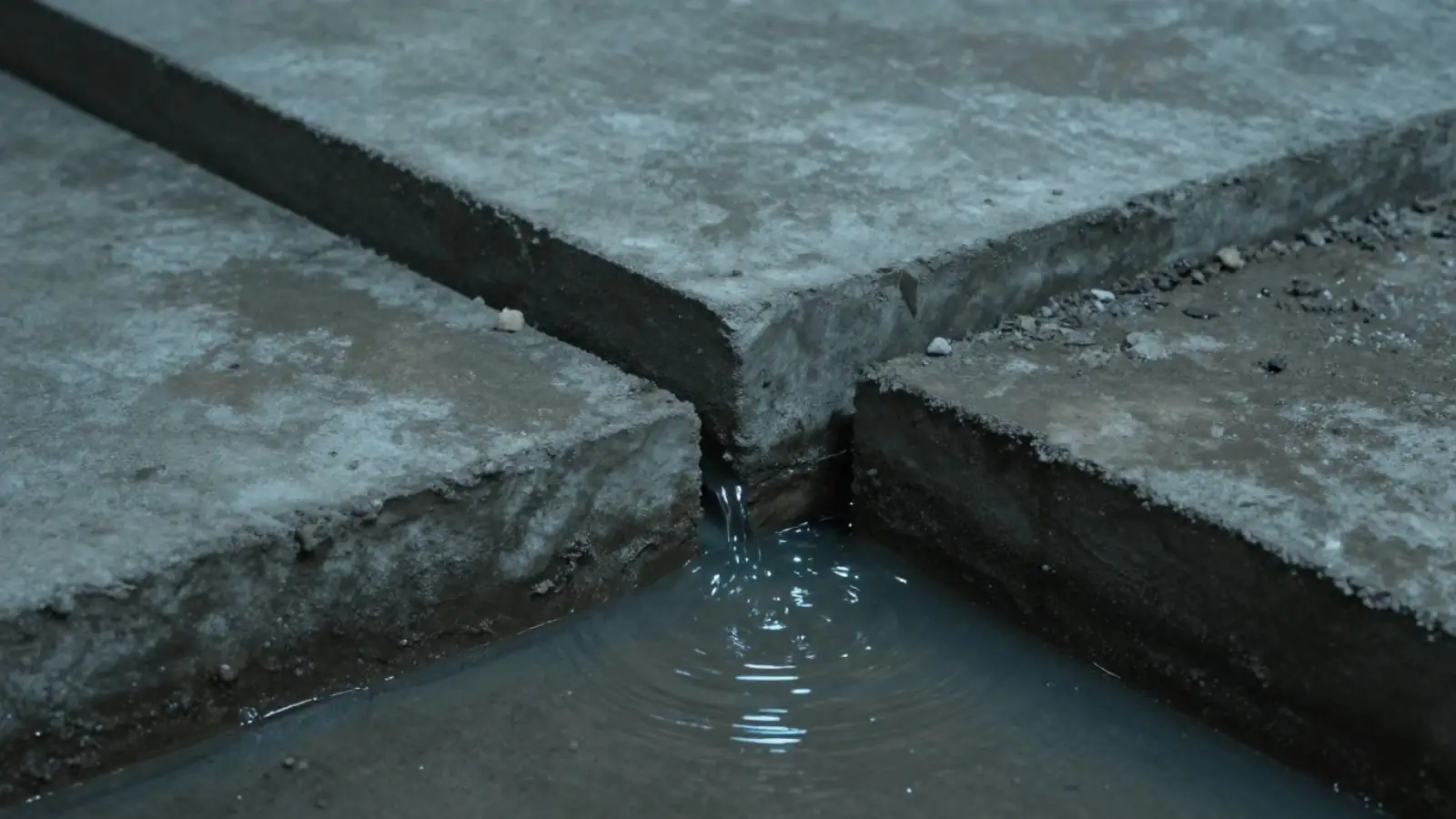
Signs that water is going somewhere
.A hidden leak rarely announces itself. The usual signs are a water bill that rises without a reason and the sound of running water when nothing is on. Others are a meter that moves with everything off, damp or warm spots on floors, stains that appear and grow, or a musty smell in a closet or cabinet.
Start with the cheap tests below and work toward the more specific ones.
The water meter test
.This test shows whether water is moving through the house.
Stop all water use
.Turn off faucets, appliances, the ice maker and irrigation.
. Read the meter
.Find the meter near the street and note the reading or the leak indicator.
. Wait
.Wait 30 minutes to a couple of hours without using water.
. Read again
.If the number moved or the indicator spins, water is escaping.
.
If your water comes from a city utility, the utility can tell you how to read your meter and who handles problems on its side.
Found wet materials?
.Call about drying right away. The plumber can fix the source in parallel.
Fixtures first
.Toilets are the most common source. Put a few drops of food coloring in the tank, wait 15 minutes without flushing, and see whether the color appears in the bowl. A silent flapper leak can waste a lot of water.
Check under sinks, behind the washing machine and the dishwasher, and around the water heater for drips or stains. A flashlight and a dry paper towel help.
Where to look, by sign
.A guide to narrowing it down.
| Sign | .Check first | .Then | .
|---|---|---|
| Meter moves with everything off | Toilets, irrigation, outdoor spigots | Call a plumber for line testing. |
| Warm spot on the floor | Slab or floor above a hot-water line | See slab leak water damage. |
| Stain on ceiling | Room above, roof, attic | See ceiling water damage repair. |
| Musty smell in a cabinet | Under-sink supply and drain | Dry and fix the fitting. |
Thermal cameras and moisture meters
.A moisture meter reads how wet a surface is. A thermal camera shows temperature differences, which can reveal wet insulation or a leaking pipe. Neither replaces a plumber's pressure test, but they show the area to open and save you from cutting walls at random.
Restoration crews use both. If you find wet material, extraction and drying should not wait on the plumber.
Once you find it
.Short list of next steps.
- Shut off the water to the leaking fixture or the main valve. .
- Photograph the leak and the damage before anything is moved. .
- Call a plumber to fix the source. .
- Call for drying if materials are wet. .
- Keep the invoices for your records. .
Outdoor and irrigation leaks
.A leak between the meter and the house, or in irrigation lines, can raise the bill without showing inside. Look for soggy soil, unusually green patches or pooling near the foundation. Water near the foundation can also wet a crawl space. See crawl space water damage for that case.
Using your water bill
.Look at your last several bills. A steady climb in use without a change in habits is a clue. Compare winter and summer months, since irrigation raises summer use. A sudden jump in a month with no events points to an active leak.
If your water comes from a city utility, ask it whether it can review your meter history. The City of Wasco website has a utility page for bill questions.
Sound and smell
.Stand quietly in the house with everything off. Listen for hissing near walls, under floors and by the water heater. A hissing sound usually means pressurized water escaping. A damp, musty smell in a closet, cabinet or room corner often means water has been present for some time.
Check the water heater closet and the base of walls near bathrooms and kitchens first.
Outside the house
.Walk the foundation after irrigation runs. Look for soft soil, standing water, algae on concrete or soil that stays wet when everything around it is dry. A leak in the line between the meter and the house can run for a long time without any sign indoors.
When to bring in help
.If the meter moves with everything off and you cannot find the source, a plumber or leak detection company can pressure test lines and use acoustic tools. If the leak is under a slab, see slab leak water damage. Drying and repair are separate jobs, and both are needed.
Keep a simple leak log
.Helps you and the plumber.
- Meter readings with dates and times. .
- Monthly bill amounts. .
- Photos of stains and when you first noticed them. .
- Notes on sounds, smells and warm spots. .
- Invoices for any repair. .
Leaks near appliances and plumbing walls
.Walls that hold plumbing, such as those behind bathrooms, kitchens and laundry rooms, are where leaks hide. Gently press on the baseboard and drywall near them. Soft spots or cool, damp patches are warning signs. A flashlight held low along the wall can show bubbling paint or a slight bulge.
Check the supply valves under sinks and behind toilets for corrosion and drips. Feel the underside of the supply line with a dry tissue.
What to do while you wait for a plumber
.If you suspect a leak but cannot find it, turn off the main water when you are away or asleep. Put towels or a pan under a suspected drip. Photograph any stains with a coin or tape measure for scale. Keep notes about when it seems worse, such as after showers or when the dishwasher runs.
One more practical point
.Do the tests on a quiet day when no one is using water, and repeat the meter test twice. One reading can be thrown off by an ice maker or a softener cycle. Two matching results give you a number you can trust and something concrete to tell a plumber when you call.
Industry standard to ask about
.Professional water damage work is guided by the ANSI/IICRC S500 standard, which ties the plan to the category of water and the materials involved. A company that follows it can show you moisture readings from the first day and again when the structure is dry.
What to know in Wasco
.Wasco is dry for most of the year, with NOAA normals near 6.8 inches of rain a year. If your bill rises in summer, irrigation and plumbing are the first suspects. The City of Wasco website has a pay-utility-bill page, and the building department's permit portal can answer questions about repairs that need a permit.
Crews that serve Wasco also work the nearby towns. If you live outside town, see water damage restoration in Delano or water damage restoration in McFarland for what to expect there.
Questions Wasco homeowners ask
.Signs include a meter that moves with everything off, warm spots and stains. A thermal camera or moisture meter confirms.
Yes. A flapper that leaks silently can waste a lot of water. The dye test shows it.
A plumber or leak detection specialist. Restoration handles the water damage.
Sometimes, depending on the policy. Ask your insurer.