
Why a phone number is a guess
.People searching for the cost of water damage restoration usually want a single figure. The honest answer is that the price depends on what got wet, how long it stayed wet and which category of water it was. A leak caught in an hour and a leak found after a weekend are different jobs even in the same room.
This guide does not quote Wasco prices, because any number without a visit would be a guess. It lays out the building blocks of a quote so you can tell a complete estimate from an incomplete one.
The building blocks of a restoration quote
.Each of these is a line you should be able to see on paper.
- Emergency response and extractionPumps, extractors and labor to remove standing water. See water extraction for the process. .
- Water categoryClean, gray or contaminated water changes the labor and the materials removed. .
- DemolitionWet carpet, pad, insulation and drywall that cannot be dried in place. .
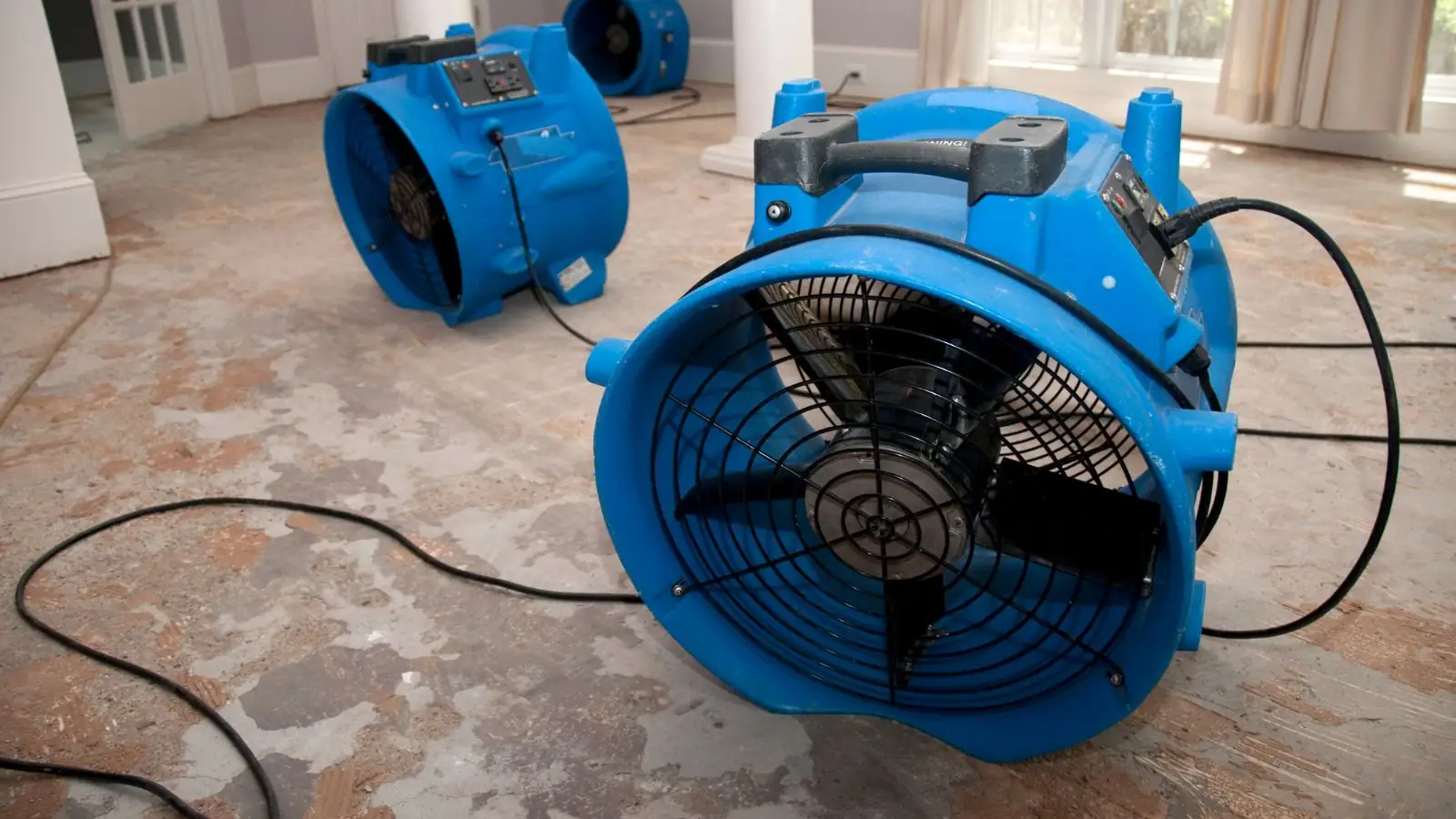
- Drying equipment and daysDehumidifiers and air movers priced by the day, plus monitoring visits. .
- Cleaning and sanitizingAntimicrobial treatment where the water category calls for it. .
- Repairs and rebuildDrywall, paint, flooring and trim after drying is verified. .
Want your real number?
.Call and describe what got wet. A written scope and price come before work starts.
Mitigation and rebuild are two jobs
.Restoration is usually quoted in two phases. Mitigation stops the damage from growing, which means extraction, tear-out and drying. Rebuild puts the house back, which means drywall, paint and flooring. Mixing the two in one number hides where the money goes.
Ask for both phases separately. If drying is part of the quote, ask how many days of equipment are included and how readings will be recorded. A short drying period that stops before the structure is dry saves money on paper and costs more later.
How the loss type changes the shape of the cost
.Rough patterns, not prices.
| Loss | .Usually drives cost up | .Usually keeps cost down | .
|---|---|---|
| Clean supply line break | Wide spread through walls and floors | Caught within hours, clean water. |
| Appliance leak | Long-running leak under flooring | Small area, quick shutoff. |
| Flood or sewage | Contamination, tear-out and sanitizing | Quick extraction and limited area. |
| Roof or storm leak | Insulation and ceiling damage | Small area and early tarp. |
Contaminated water changes everything. See sewage backup cleanup for why.
Reading two quotes side by side
.A fair comparison needs the same scope in both quotes. Check the area measured, the number of drying days, whether demolition and disposal are included and whether the rebuild is part of the figure. If one quote has lines the other lacks, ask the second company about them before comparing totals.
Be careful of quotes that arrive before anyone has looked at the loss. A company that does not ask questions or measure moisture is guessing. Scope and price should be explained before work starts, and the explanation should match what you can see.
Questions to ask before you approve a scope
.Keep a copy of the answers.
- What water category are you treating this as, and why? .
- How many days of drying equipment are included, and how often are readings taken? .
- Which materials are you removing, and which are being dried in place? .
- What is included in the price and what is billed separately? .
- Will I get the moisture readings and photos in writing? .
Insurance and who pays
.If your policy covers the loss, the insurer may pay the restoration invoice less your deductible, though terms vary. The California Department of Insurance explains that homeowners policies generally cover sudden water damage but not flood. Keep the written scope, the drying log and the photos together, because they are the documents an adjuster reviews.
Ask your insurer before work starts whether it has requirements about the scope or the contractor. Emergency steps to limit damage should not wait.
Equipment and days on site
.Drying is billed by the equipment and the days it runs, along with labor for setup and monitoring. A small wet area dries faster than several rooms of saturated carpet and pad. Crews check readings daily and adjust equipment, which is why a drying log is part of fair billing.
Ask how many air movers and dehumidifiers are planned and how many days. The count should match the size of the wet area.
Contents and demolition
.Moving, cleaning and storing contents adds time. Demolition of wet drywall, baseboard or flooring is priced separately from drying. Not every wet material has to come out, and removal should be tied to the readings and the category of water.
Rebuild after drying is a different job. Some companies do both, others do only mitigation.
What a fair estimate shows
.Compare in writing.
- A line for extraction and a line for drying. .
- The planned equipment count and expected days. .
- What will be removed and why. .
- Whether contents handling is included. .
- What is not included, such as rebuild. .
Out of pocket or insurance
.If you pay yourself, you control the scope and can choose what to dry, remove or leave. If insurance pays, the adjuster's scope and your deductible set the boundaries. Either way, a written scope helps. Costs rise quickly with delay, so start drying before debating details.
How to avoid surprise charges
.Ask what happens if more rooms turn out to be wet than expected. Good scopes include a way to add items with your approval. Ask for updates at the end of each day and for readings that justify extra days of drying.
Industry standard to ask about
.Professional water damage work is guided by the ANSI/IICRC S500 standard, which ties the plan to the category of water and the materials involved. A company that follows it can show you moisture readings from the first day and again when the structure is dry.
What to know in Wasco
.Wasco has dry summers and winter rain concentrated from December through March, with about 6.8 inches a year in NOAA normals. That calendar affects the kind of calls that come in. Winter jobs lean toward roofs and outside water, and summer jobs lean toward plumbing and cooling water.
For permit questions on larger repairs, ask the City of Wasco building department, which runs a public permit portal.
If your home is in a nearby town, the details differ a little. See the pages for Lost Hills and Delano for ZIP codes, distances and what to tell the dispatcher.
Questions Wasco homeowners ask
.It depends on the area, the water category, the materials and the drying time. A real number needs someone to look at the loss.
Not always. A good scope explains what can change and why, such as hidden damage found when walls are opened.
If the loss is covered, the insurer may pay less your deductible. Check your policy.
Wet framing and subfloors release moisture slowly, and the equipment stays until readings meet the goal.