
The 24 to 48 hour rule, and why it is only a guide
.A figure often repeated by public health and restoration guidance is that mold can begin to grow on wet materials within 24 to 48 hours. That is a guide, not a clock. Whether growth shows up depends on the material, the temperature, the humidity and whether the area is dried.
What matters for a homeowner is that moisture is the trigger, and removing it quickly is the best prevention. The sections below walk through a rough timeline.
A rough timeline
.Real jobs vary. Readings matter more than clock time.
| Time since the water | .What is likely happening | .What helps | .
|---|---|---|
| First 24 hours | Materials are wet, growth is unlikely to be visible | Stop the source, extract, start drying. |
| Day 2 to day 3 | Mold can begin on damp organic surfaces | Run dehumidifiers and air movers, track readings. |
| Days 3 to 7 | Spots may become visible on drywall paper and wood | Remove material that stayed wet, keep drying. |
| Weeks | Growth can spread and smell | Fix the source. See mold remediation if growth is visible. |
Water more than a day old?
.Call for drying and moisture readings. The mold clock is running.
Why materials behave differently
.Drywall has a paper face that mold can eat, so it can host growth sooner than concrete. Wood needs moisture above a threshold. Carpet pad stays wet and can hold odor. Insulation traps water against framing. The same leak can leave mold in one place and not in another.
That is why moisture mapping matters. A moisture meter and a thermal camera show which materials are still wet and need more drying.
What slows mold down
.Dry materials do not grow mold. Extracting water, running dehumidifiers and moving air across wet surfaces are the main tools. Keeping indoor humidity low also helps. See water extraction for the first step and why it should not wait.
Opening windows helps only when the outside air is drier than the inside air. In Wasco's dry summers that can be true. In winter fog it often is not.
If it has been more than two days
.Do not assume the damage is limited.
- Photograph the area and note where you see stains or smell odor. .
- Check the baseboards and behind furniture for dark spots. .
- Avoid disturbing visible growth, since that can spread spores. .
- Ask for moisture readings to see what is still wet. .
- Keep the area dry and do not close it up until readings are dry. .
Hidden growth
.Mold often grows where you cannot see it, such as inside a wall cavity or under flooring. A musty smell with no visible mold is a sign. A professional can open a small inspection hole and use a meter or camera to look.
This guide does not make health claims. If you have health concerns, ask a physician.
The 24 to 48 hour guideline
.The U.S. Environmental Protection Agency advises drying wet materials within 24 to 48 hours to prevent mold growth. That is a guideline for materials that can be dried in place, not a countdown that guarantees growth on hour 49. Conditions vary, and some materials hold moisture far longer than others.
The takeaway is that speed matters. Every day a wet material stays wet raises the chance that growth starts, and the longer it runs the harder it is to reverse.
How materials differ
.Porous materials are the problem.
| Material | .Holds water | .Mold risk if left wet | .
|---|---|---|
| Drywall and paper facing | Absorbs readily | High. |
| Carpet pad and insulation | Absorbs and holds | High. |
| Solid wood framing | Slow to absorb and release | Moderate. |
| Tile and sealed concrete | Little | Low on the surface. |
What speeds growth up and what slows it
.Mold needs moisture, a food source and a suitable temperature. Drywall paper and dust supply the food, and indoor temperatures are comfortable for it. Of the three, moisture is the one you control.
Airflow, dehumidification and removal of saturated materials slow growth. A closed, humid room with a wet wall behind a cabinet speeds it. Hidden spots such as wall cavities and under flooring are where growth often starts unseen.
Early signs of growth
.Look and sniff in these spots.
- A musty smell in a closed room or cabinet. .
- Faint spots on drywall, baseboards or the back of furniture. .
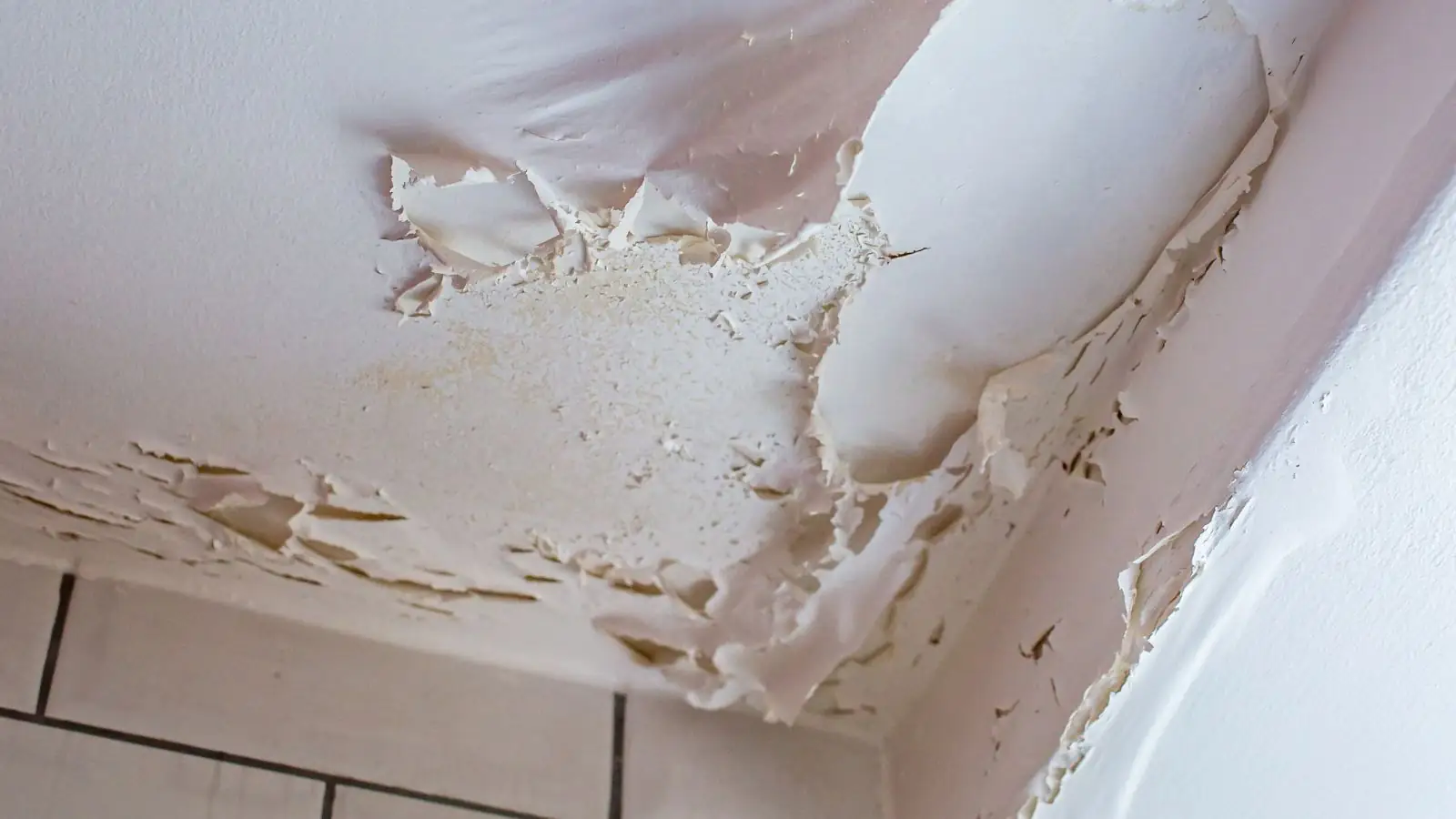
- Paint that bubbles or wallpaper that peels. .
- Warped or cupped flooring. .
- A humid feel that fans do not fix. .
What to do inside the window
.Remove standing water first. See water extraction for how crews do it. Then dry the structure with air movers and dehumidifiers and check readings until they return to normal. If growth has already started, see mold remediation for the next step.
Do not close up a wall until readings show it is dry. Covering wet material with paint or flooring traps moisture.
Why drying logs matter
.A drying log shows moisture readings over time. Readings should fall each day until they match a dry reference. If a number stalls, there may be a hidden wet area or the equipment may need to move. The log is also useful if mold questions come up later, since it shows what was done and when.
Ask the crew to share the readings with you, not only a summary.
What if the window has passed
.If more than two days have passed, do not panic. Dry anyway and check for growth. Materials that stayed wet for days, like drywall and carpet pad, are often removed. See structural drying and dehumidification for how crews decide. A moisture meter helps separate materials that can be saved from those that cannot.
One more practical point
.Seasonal conditions in the Central Valley matter too. Hot summer days can dry surfaces quickly, but sealed rooms with air conditioning can keep wall cavities damp, since the cooled air meets warm, wet material. Do not assume that a hot day will dry a soaked wall. Take readings to confirm.
What to know in Wasco
.NOAA climate normals for Wasco show about 6.8 inches of rain a year, mostly between December and March, and nearly none in July and August. In dry months, indoor leaks are the main mold risk. In winter, roof leaks and damp air from fog are more likely. The City of Wasco building department can answer permit questions if walls must be opened.
The same dispatch line covers the farm towns around Wasco. Homeowners west of town can read about Lost Hills water damage restoration, and those to the northeast can read about McFarland water damage restoration.
Questions Wasco homeowners ask
.It can begin on damp materials in 24 to 48 hours under the right conditions, but it is not guaranteed.
Quick, complete drying greatly lowers the risk. No one can promise mold will never appear.
A musty smell and moisture readings are the clues. A professional inspection can confirm.
No. Photograph first, then dry. Waiting raises the risk.